
Dry Indoor Air and Your Sinuses: What Changes When You Turn the Heat On
For a lot of people across Eastern Iowa, the shift into fall and winter brings a familiar set of symptoms. The nose gets dry. The throat feels raw in the morning. Nosebleeds show up out of nowhere. Congestion that seemed to clear up in October comes back worse than before.
Most people chalk it up to the weather and move on. But there is a specific reason this happens every year, and it has a lot to do with what is going on inside your home.
What Forced-Air Heating Does to Indoor Air
When outdoor temperatures drop in Iowa and the heating system kicks on, indoor humidity levels fall quickly. Forced-air systems push dry, warm air through your home, and that air pulls moisture from everything it touches, including the lining of your nasal passages and sinuses.
Your sinuses rely on a thin layer of moisture to function properly. That moisture traps particles, filters air, and keeps tissue healthy. When indoor humidity drops too low, that layer dries out. Mucus thickens. The small hairs that help move debris out of your nasal passages slow down. Drainage becomes less efficient, and the conditions for irritation and congestion set in quickly.
What It Feels Like
The symptoms that come with dry indoor air can feel like the beginning of a cold, a lingering allergy flare, or something harder to place.
Common signs include:
- Nasal dryness or a raw feeling inside the nose
- Nosebleeds, especially in the morning
- Congestion that seems to come and go without a clear cause
- Waking up with a dry mouth or sore throat
- Increased sinus pressure or headaches
- A persistent feeling that something is off even when you are not sick
If these symptoms tend to appear shortly after you start running the heat and ease up when you spend time somewhere more humid, dry indoor air is likely a contributing factor.
Simple Steps That Can Help
There are a few straightforward things that make a difference for most people.
Adding a humidifier to your bedroom or main living area helps maintain indoor moisture at a level your sinuses can tolerate. Aim for humidity between 40 and 50 percent. A saline nasal rinse or spray can help keep nasal tissue hydrated and support normal drainage. Staying well hydrated throughout the day also helps your body maintain moisture in the mucous membranes.
These steps work well for mild symptoms. But they have limits.
When Home Remedies Are Not Enough
If you have been running a humidifier, rinsing regularly, and drinking plenty of water and your symptoms are still interfering with daily life, there may be more going on than simple dryness.
Chronic sinus irritation that goes unaddressed can progress into sinusitis, which involves inflammation and infection in the sinus cavities themselves. Symptoms of sinusitis include significant facial pressure or pain, thick or discolored drainage, reduced sense of smell, and congestion that does not respond to basic treatment.
It may be worth scheduling an evaluation if:
- Congestion or pressure has lasted several weeks
- Nosebleeds are frequent or difficult to stop
- Symptoms return every heating season and worsen over time
- You have already tried home remedies without meaningful relief
An ENT evaluation can help determine whether your symptoms are driven by dryness alone or whether there is an underlying sinus issue contributing to the problem.
Local Sinus Care in Eastern Iowa
You do not have to spend every winter managing sinus symptoms on your own. ENT Medical Services works with patients across Eastern Iowa, including Iowa City and Muscatine, who are dealing with ongoing sinus issues and want answers beyond what a humidifier can offer.
Call (319) 351-5680 or click here to schedule an evaluation with our ENT team.
Learn more about our sinus and ENT services at https://www.entmedicalservices.org/services/ent/
Follow ENT Medical Services on Facebook, Instagram, and LinkedIn for seasonal health tips and updates.
Allergy
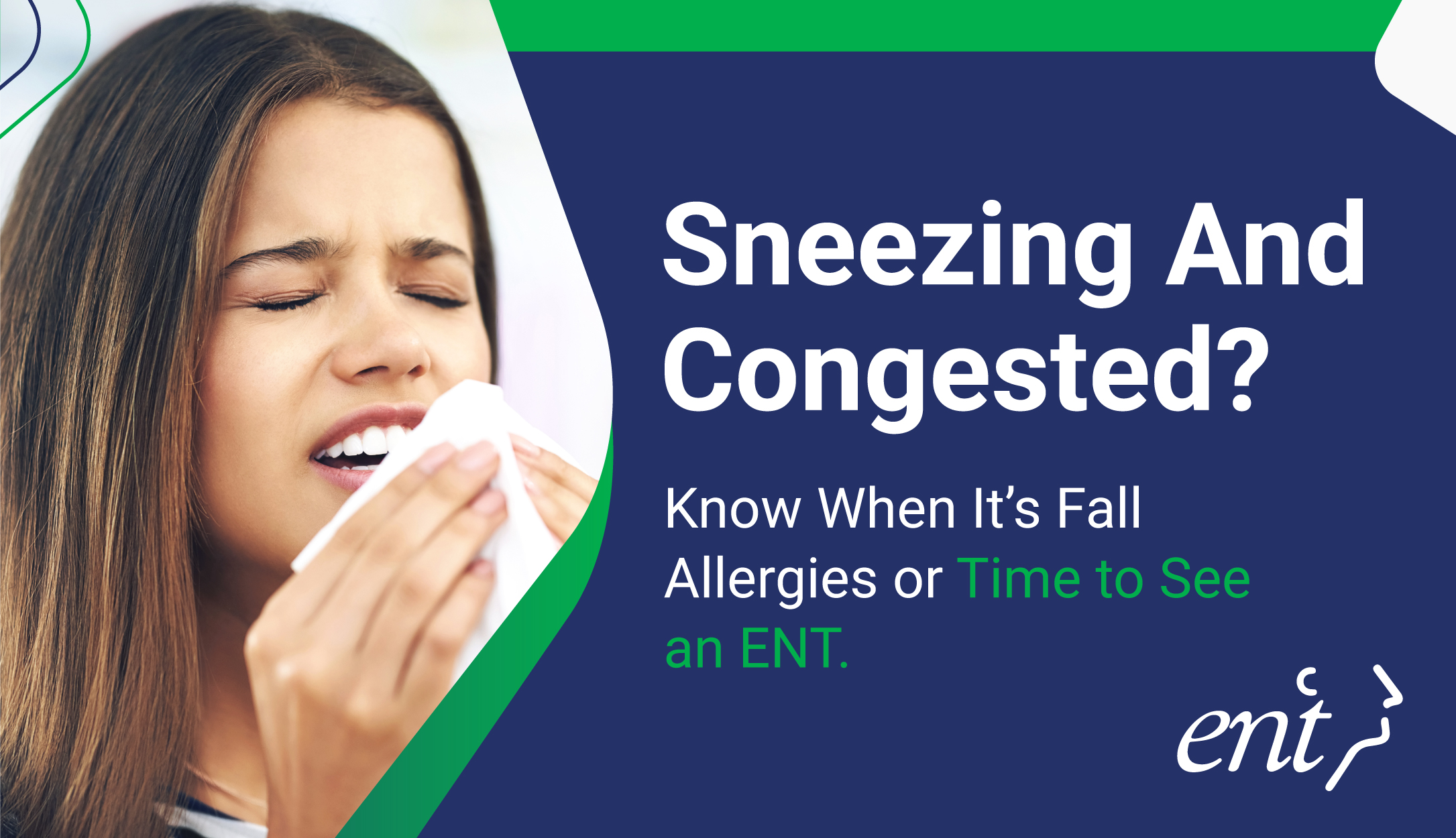
Is It a Fall Cold or Allergies? How to Tell the Difference
Every fall, healthcare clinics across Iowa see the same patterns. Patients come in convinced they’ve been battling back-to-back colds since September. In many cases, what they actually have is unmanaged seasonal allergies, and ENT Medical Services, with locations throughout Iowa including Iowa City and Muscatine, sees it regularly. The symptoms overlap. The cause does not. ...

Allergy, Sleep
Congestion at Night: How Fall Allergies Are Wrecking Your Sleep
As fall arrives across Eastern Iowa, ragweed pollen peaks and mold spores multiply in piles of fallen leaves. For people with seasonal allergies, this time of year often brings more than just sneezing and congestion during the day. It can also mean weeks of poor sleep. If you have been waking up exhausted every morning ...

Allergy
Why Do Summer Allergies Hit So Hard in Iowa?
Think Allergy Season Is Over? Think Again. If you’re still dealing with sneezing, congestion, itchy eyes, or sinus pressure in the middle of summer, you’re not alone. Many people expect allergy symptoms to disappear once the weather warms up. Instead, summer introduces a new set of triggers that can make symptoms just as frustrating as ...

Allergy
Before School Starts: Don't Ignore These Common Allergy Symptoms in Kids
Is It Allergies, or Just Another Cold? As summer winds down and families start preparing for a new school year, many parents notice familiar symptoms returning. The congestion. The coughing. The constant sniffles. It is easy to assume your child picked up another cold, especially when symptoms seem mild at first. But if these issues ...
Sinus
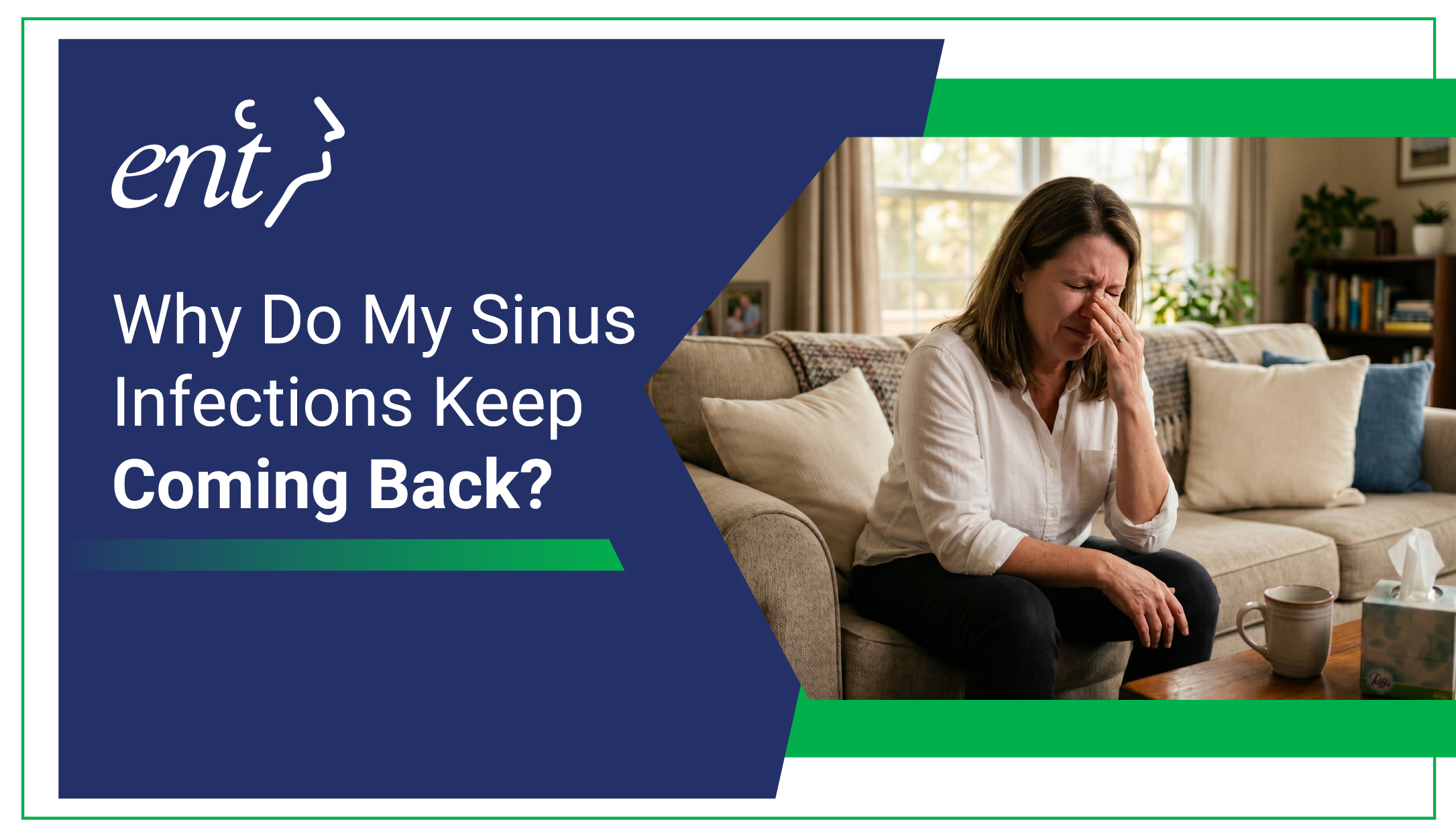
Why Do My Sinus Infections Keep Coming Back?
It Feels Like You Just Got Over One Most people get a sinus infection from time to time. It can happen after a cold, during allergy season, or when congestion lingers longer than expected. But if you’re dealing with sinus infections several times a year, or if symptoms never seem to fully disappear, it may ...

Ear, Nose, & Throat
Why Am I Asking People To Repeat Themselves So Often?
You’re Hearing People… But Not Always Understanding Them If you’ve been asking people to repeat themselves more often, you’ve already noticed something isn’t working the way it used to. You can hear that someone is talking. You catch parts of the sentence, but certain words feel unclear, especially in group conversations or environments with background ...