
Do I Actually Need a Hearing Test? Know When It’s Time to Get Checked
Not Everyone Needs a Hearing Test. So How Do You Know?
If you’ve been wondering whether you need a hearing test, you’re not alone.
Many people notice small changes in how they hear before deciding whether to take the next step. The challenge is knowing when those changes are worth evaluating.
The truth is, not every missed word means something is wrong. But when those moments become more consistent, it is usually a sign your hearing deserves a closer look.
At ENT Medical Services, we help patients in Iowa City make that decision with clarity, not pressure.
When It’s Probably Temporary
Some hearing changes are situational.
You may have trouble hearing clearly when the environment is loud, when someone is speaking from another room, or when you are dealing with congestion or sinus pressure. In those moments, sound does not travel as well.
If your hearing returns to normal once the situation passes, it is often something you can continue to monitor.
When It Starts to Feel Consistent
The turning point is not one missed word. It is the pattern.
Patients often describe a shift that feels subtle at first, but becomes harder to ignore over time.
You may notice that you can hear people talking, but certain words do not come through clearly. Conversations require more focus. Background noise makes everything harder to follow.
Instead of thinking, “I didn’t catch that,” the thought becomes, “this keeps happening.”
This is often when people begin looking into a hearing test or asking whether it is time to get checked.
The Difference Between Waiting and Getting Answers
It makes sense to wait when something feels occasional.
It becomes more difficult to ignore when:
- You are asking people to repeat themselves more often than before
- Conversations feel more effortful, especially in groups.
- You leave interactions feeling mentally drained.
- You start avoiding situations where listening feels difficult.
At this point, waiting does not usually bring clarity. A hearing evaluation does.
What a Hearing Test Actually Does
A hearing test is not a commitment. It is a tool.
It measures how well you hear different sounds and how clearly you understand speech. More importantly, it connects those results to your real-life experience.
It can explain why certain voices are harder to follow, why background noise feels overwhelming, or why conversations take more effort than they used to.
That information allows you to move forward with confidence, whether that means monitoring your hearing or exploring next steps.
Learn more about what actually happens during a hearing test here:
Does Getting Checked Mean You’ll Need Treatment?
Not necessarily.
Some patients find their hearing is within a healthy range. Others discover mild changes that can be tracked over time.
If additional support could improve clarity, options such as a hearing loss evaluation in Iowa City or a hearing aid consultation may be discussed. That conversation always happens at your pace.
The goal is not to push a solution; it is to give you a clear understanding of what is happening and what your options are.
You’re Not Overthinking It
By the time most people consider a hearing test, they have already noticed something has changed.
They have adjusted how they listen. They have adapted in conversations. They have started to question whether what they are experiencing is normal.
That awareness matters.
You are not starting from zero. You are responding to something real.
Ready to Take the Next Step?
If you are noticing these patterns more often, it may be time to move from wondering to understanding.
Call ENT Medical Services at (319) 338-5455 to schedule a hearing evaluation and get clear answers about your hearing.
You can also follow ENT Medical Services on Facebook, Instagram, and LinkedIn for helpful tips and updates on hearing care.

Allergy
Why Do Summer Allergies Hit So Hard in Iowa?
Think Allergy Season Is Over? Think Again. If you’re still dealing with sneezing, congestion, itchy eyes, or sinus pressure in the middle of summer, you’re not alone. Many people expect allergy symptoms to disappear once the weather warms up. Instead, summer introduces a new set of triggers that can make symptoms just as frustrating as ...

Allergy
Before School Starts: Don't Ignore These Common Allergy Symptoms in Kids
Is It Allergies, or Just Another Cold? As summer winds down and families start preparing for a new school year, many parents notice familiar symptoms returning. The congestion. The coughing. The constant sniffles. It is easy to assume your child picked up another cold, especially when symptoms seem mild at first. But if these issues ...
Sinus
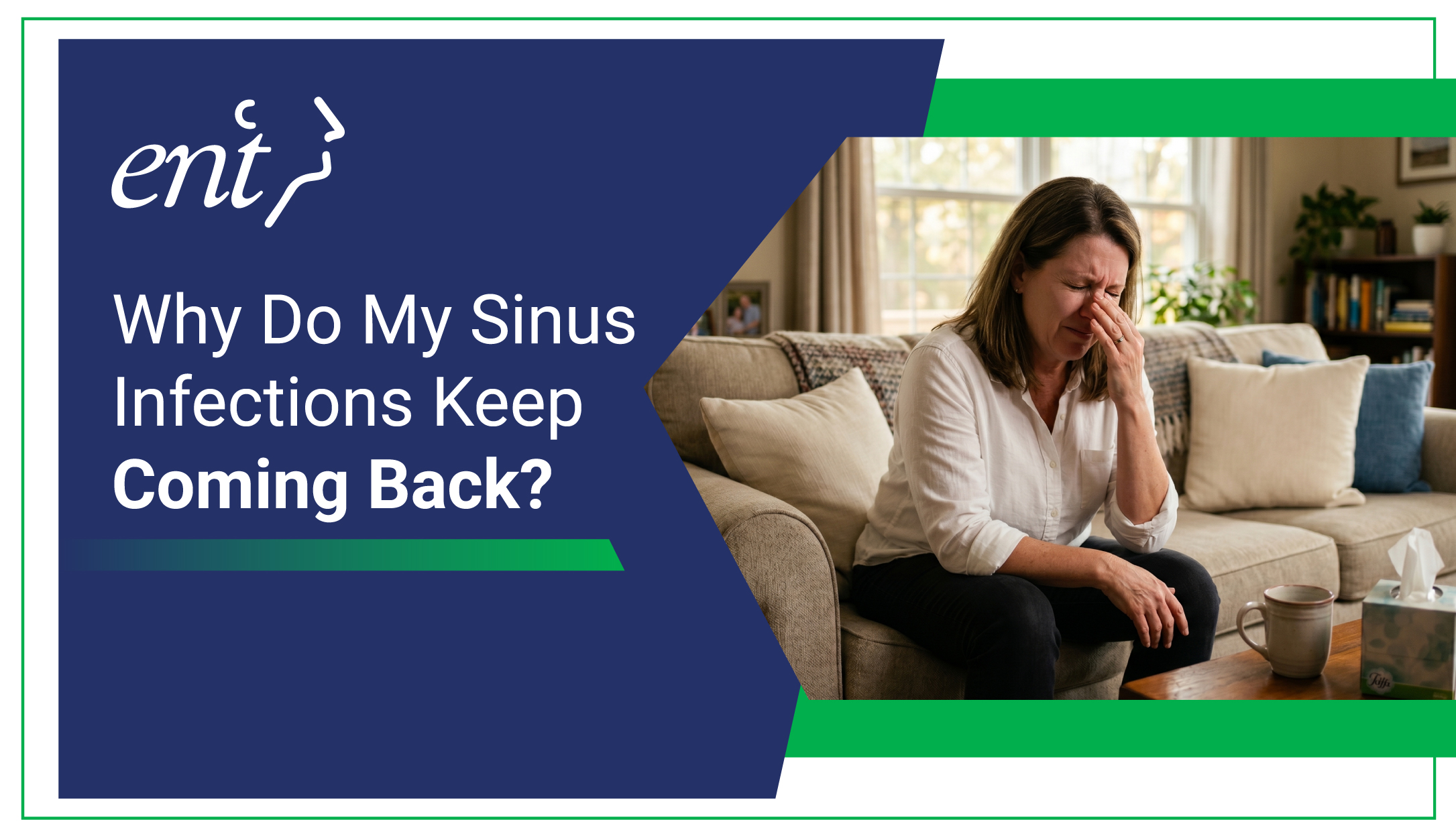
Why Do My Sinus Infections Keep Coming Back?
It Feels Like You Just Got Over One Most people get a sinus infection from time to time. It can happen after a cold, during allergy season, or when congestion lingers longer than expected. But if you’re dealing with sinus infections several times a year, or if symptoms never seem to fully disappear, it may ...

Ear, Nose, & Throat
Why Am I Asking People To Repeat Themselves So Often?
You’re Hearing People… But Not Always Understanding Them If you’ve been asking people to repeat themselves more often, you’ve already noticed something isn’t working the way it used to. You can hear that someone is talking. You catch parts of the sentence, but certain words feel unclear, especially in group conversations or environments with background ...
Sleep
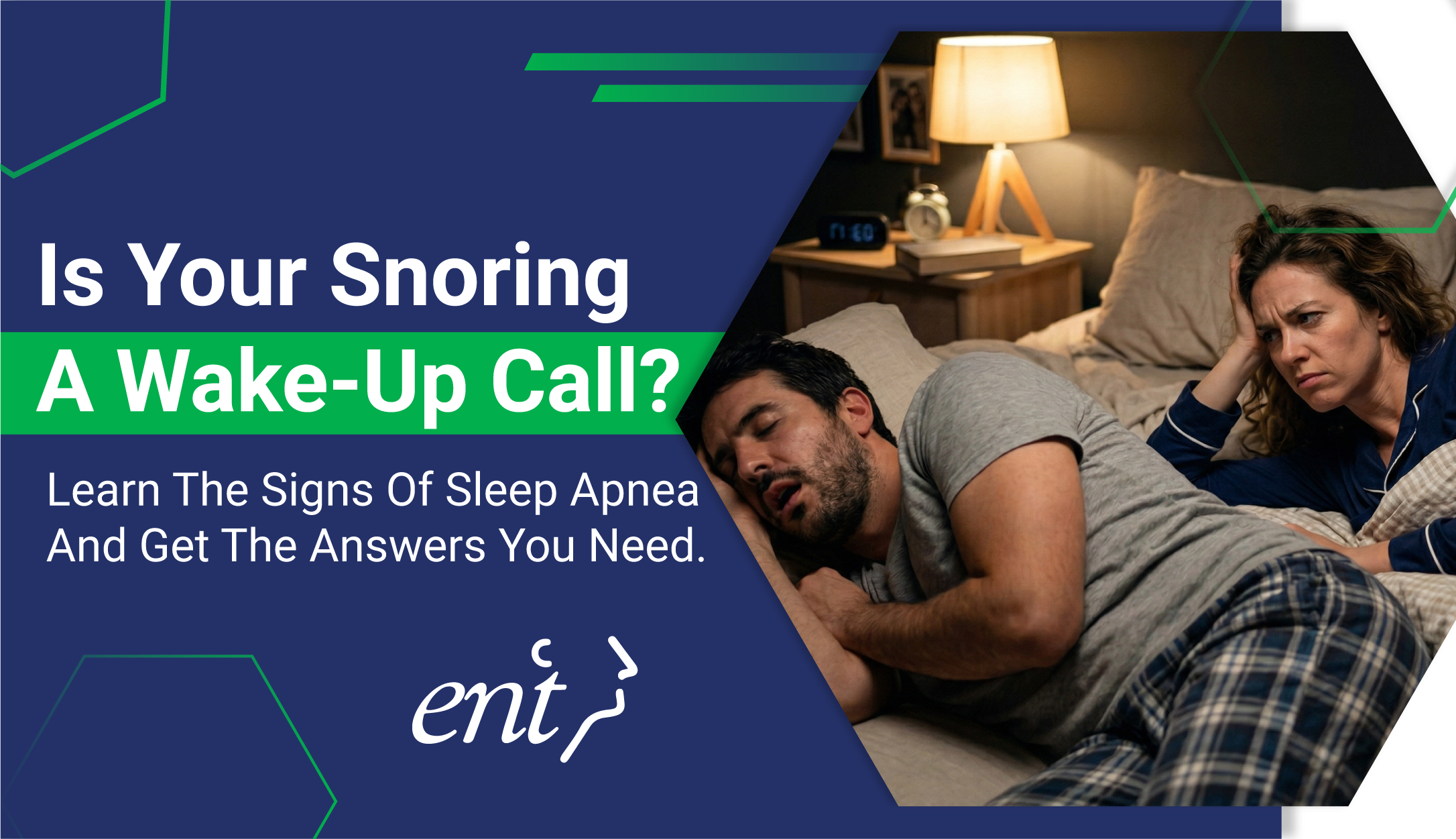
Is My Snoring Normal or a Sign of Sleep Apnea?
Snoring Happens. But When Should You Pay Attention? Snoring is incredibly common. Many people joke about it, ignore it, or assume it is just part of getting older. If you snore occasionally after a long day or during allergy season, that is usually not a cause for concern. However, if you snore regularly, or if ...

Ear, Nose, & Throat
ENT Care For You
Our Commitment to Quick, Personalized ENT Care At ENT Medical Services, we believe ENT care should feel a little more human. That means less waiting, more listening, and answers that actually help. From the first phone call to the last follow-up, we’re here to make your experience easier, faster, and more personal. We Respect Your ...